How to Choose the Right Super Yacht Rental in Dubai
Dubai's coastline and offshore islands offer some of the most striking waters for a private yacht charter. A super yacht rental in Dubai is not a simple transaction; it involves matching a vessel's capabilities with your itinerary, guest list, and expectations for comfort. The process can feel overwhelming given the range of sizes, layouts, and crew levels available. This article walks through the key decisions in order, highlighting what to watch at each step so you can book with confidence.
Define Your Guest Capacity and Itinerary First
The number of guests you plan to host determines the minimum size of vessel you need. A super yacht typically accommodates between 12 and 24 guests in dedicated cabins, with common areas sized accordingly. If you intend to invite more than a dozen people, look for a yacht with a guest capacity that matches your party without forcing anyone to share a cabin unless that is the intention. Check the layout: some yachts offer a master suite for the primary guest plus several double or twin cabins; others provide a mix of suites and single berths.
Your itinerary also affects the choice. A day cruise along the Palm Jumeirah and Dubai Marina requires less range and fuel capacity than a week-long trip to the Musandam Peninsula or the Gulf of Oman. If you plan to stay within the Dubai coast, a vessel with a cruising speed of 18-22 knots is practical. For longer passages, consider yachts with stabilisers, as they reduce roll during overnight voyages and make for a more comfortable sleep.
Assess the Onboard Amenities That Matter
Super yachts vary widely in the features they offer. A helipad adds flexibility if you or your guests need to arrive by helicopter or transfer quickly between locations. A jacuzzi on the deck is a popular feature for relaxation, especially in the cooler months. For families, a tender stored on board allows easy trips to shallow beaches or sandbars where the main yacht cannot anchor.

Gross tonnage gives a sense of interior volume, but it is the allocation of that space that matters. Some yachts dedicate a large portion to a main saloon and dining area, while others prioritise multiple lounges and a cinema. If you plan to host formal dinners, confirm that the dining table seats everyone together. If the goal is casual socialising, look for a layout with an open-plan deck and bar area. The master suite should be checked for privacy: is it located near the guest cabins or in a separate wing? For a group of friends, a more open arrangement works well; for a corporate retreat, separate suites with soundproofing are preferable.
Understand the Crew and Service Level
A super yacht comes with a professional crew. The size of the crew typically ranges from 8 to 15 people, depending on the yacht's length and the level of service. A higher crew-to-guest ratio means more attentive service, but also a larger footprint on board. Ask about the chef's experience with specific cuisines if you have dietary preferences or plan a themed dinner. The captain should be familiar with local waters and regulations, especially regarding anchoring zones and port formalities in the UAE.
Service level also extends to the tender and water toys. A yacht with a dedicated tender driver and a crew member for jet skis or snorkelling gear adds convenience. For a relaxed trip, a smaller crew that handles navigation and basic hospitality may be sufficient. For a formal event or a high-profile group, a larger crew with a dedicated stewardess and deckhand is advisable.
When comparing options, consider the charter broker's role. A good broker will match you with yachts that have the right crew complement and will confirm that the captain and chef are available for your dates. They can also arrange a pre-charter briefing so you can meet the captain and discuss the itinerary in person.
For a reliable starting point, many first-time charterers turn to Dubai Yachts Rental to browse available vessels and compare inclusions. Their listings typically show crew size, amenities, and guest capacity side by side, which simplifies the initial filtering process. This approach helps you narrow down a shortlist before moving to the next stage of inspection.

Inspect the Vessel in Person or via Virtual Tour
Photographs and deck plans can only tell you so much. A physical inspection is ideal, but if that is not possible, request a live video call or a detailed virtual tour. Look for the condition of upholstery, the cleanliness of the galley, and the state of the engine room if you have technical knowledge. Pay attention to the tender: is it stored on a davit or in a garage? Is the jacuzzi heated and operational? Check the air conditioning capacity, especially in summer, as a poorly cooled interior can ruin a trip.
Ask about the yacht's age and refit history. A vessel that has been refitted within the last three years is likely to have up-to-date navigation electronics, fresh soft furnishings, and a reliable engine. Older yachts can still offer excellent service if they have been well maintained, but you should verify the last dry-dock date and any recent major repairs.
Review the Contract and Insurance Details
Before signing, read the charter agreement carefully. The contract should specify the cruising area, the duration, the cancellation policy, and the responsibility for fuel, port fees, and food provisions. Clarify what happens if bad weather forces a change of itinerary. A reputable charter company will have a clear policy on refunds or alternative dates.
Insurance is another consideration. The yacht's insurance should cover the vessel and crew, but it may not cover personal belongings or liability for damage caused by guests. Ask whether you need separate travel insurance or a damage waiver. Some charters include a security deposit requirement; understand the amount and the conditions under which it is refunded.
During this phase, it is also wise to confirm the guest capacity stated in the brochure matches the legal maximum for the yacht's registration. Overcapacity can lead to fines or denied boarding. A simple check with the captain or broker avoids this risk.
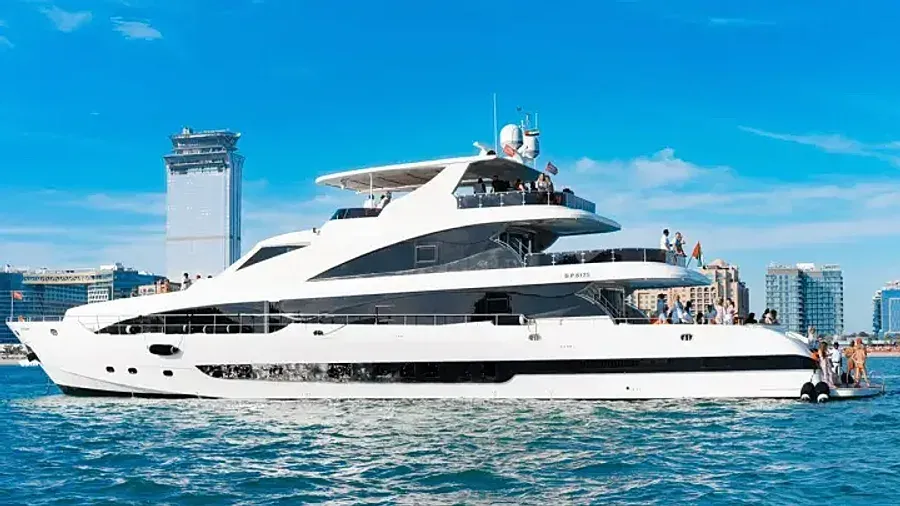
Once you have selected a yacht and agreed on terms, you can proceed with confidence. The process is straightforward when you approach it step by step: define your needs, verify the amenities, assess the crew, inspect the vessel, and finalise the paperwork. For those who prefer a guided experience, Dubai Yachts Rental provides a platform where many of these details are listed upfront, making the comparison easier before you commit.
Choosing the right super yacht rental in Dubai comes down to matching the vessel to your specific plans rather than chasing the largest or most expensive option. A well-chosen yacht enhances the experience of Dubai's coastline, allowing you to focus on the company and the views rather than logistics. With careful attention to the points above, you can find a vessel that suits both your budget and your expectations.